Skip to content
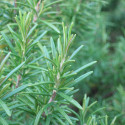
Rosemary (Rosmarinus officinalis)
Lore & History:
- Native to southern France
- Her name – Ros marinus – means “fond of the sea”, not surprising since the plant thrives along the Mediterranean coast
- Garlands were worn on the head while studying in ancient Greece to improve memory
- Symbol of remembrance, friendship & love: worn at weddings – esp. bridal bouquets – and used at funerals by tossing branches in with the dead
- Long held belief that it wards off evil spirits: it was said to not grow in the gardens of evil people – a good personality tester! Rosemary’s leaves were placed under the bed pillow to do away with nasty spirits and ward off bad dreams.
- Branches were burned in the 14th & 15th century homes to ward off the Black Death.
- The wood of the plant was used to make lutes & burned into charcoal, then crushed into a powder to keep teeth healthy.
- In WW II, Rosemary and Juniper were burned in French hospitals to kill germs – a practice we’d be wise to modernize and implement today with all of the MRSA and other community virus & bacteria outbreaks.
Healing Qualities:
- Stress reducer
- Stimulant of nervous & circulatory systems, also pelvic region.
- Heart tonic
- High in calcium, Vitamins A & C, iron, zinc, potassium & phosphorous
- Excessive dosing can cause death
Uses:
- Culinary
- Bath
- Household: as disinfectant
- Teeth & gum care
- Hair care
- Insect repellant
May Provide relief for:
- Headaches
- Indigestion
- Colds, flu & fever
- Insect bites
- Respiratory ailments
- Dry and damaged hair
- Premature balding: acts as preventative
Culinary Uses:
- Pungent, distinctive flavor which harmonizes well with poultry, fish, lamb, beef & game – particularly when the meat is roasted.
- Great with tomatoes, eggs, cheeses – especially goat cheese!
- Combined w/ fresh garlic, it makes a lovely infused olive oil to pair with peasant bread chunks as dippers -perhaps with a touch of balsamic vinegar! Use the infused oil in salad dressings, marinades…let your creativity pour out!